


Why a Local S-400 Maintenance Hub Could Be a Strategic Game-Changer for India

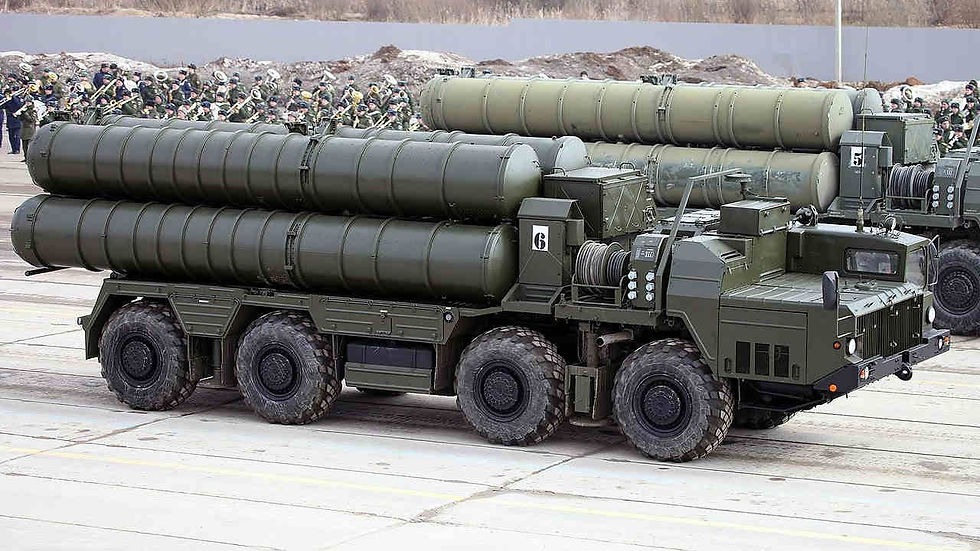
India's decision to establish a domestic maintenance, repair, and overhaul (MRO) ecosystem for the S-400 Triumf air defence system may prove to be one of the most important defence-support initiatives of the decade. While much attention is usually focused on acquiring advanced weapons, the ability to maintain and sustain those systems over decades is equally critical.
The S-400 has become a cornerstone of India's integrated air defence network. Designed to detect and engage aircraft, drones, cruise missiles, and ballistic missiles at long ranges, the system provides a powerful shield against a wide range of aerial threats. However, operating such a sophisticated platform requires continuous maintenance, periodic upgrades, and rapid access to spare parts.
Traditionally, major repairs and overhauls of Russian-origin systems often depended on overseas support. Geopolitical tensions, sanctions, transportation delays, and global supply-chain disruptions can all affect the availability of critical components. Recent international events have highlighted how vulnerable defence supply chains can become during periods of crisis. This is where a domestic S-400 maintenance facility becomes strategically significant.
A local MRO facility would dramatically reduce turnaround times for repairs and servicing. Instead of sending key components abroad and waiting months for their return, maintenance work could be carried out within India. This would improve operational availability and ensure that the Indian Air Force can keep its S-400 units mission-ready even during emergencies.
The initiative also aligns with India's broader goal of defence self-reliance. By working alongside Russian manufacturer Almaz-Antey and gaining technical expertise in servicing critical subsystems, Indian industry can gradually build deeper competencies in advanced air-defence technologies. Such experience could later benefit indigenous projects like Project Kusha and other future missile defence programs.
Another important advantage is strategic resilience. As India expands its S-400 inventory and integrates the system into its long-term air defence architecture, dependence on external maintenance support becomes increasingly risky. A domestic support network creates redundancy and helps insulate operations from international disruptions, political uncertainties, or logistical bottlenecks.
Ultimately, the significance of this development goes beyond maintenance. It reflects a shift in India's defence planning philosophy—from merely purchasing advanced systems to building the industrial infrastructure required to sustain them independently. In modern warfare, readiness is determined not only by what a nation buys, but by how effectively it can keep those systems operational when they are needed most.


Comments